

Queensland Researchers Discovered How Botox Breaches Brain Cells
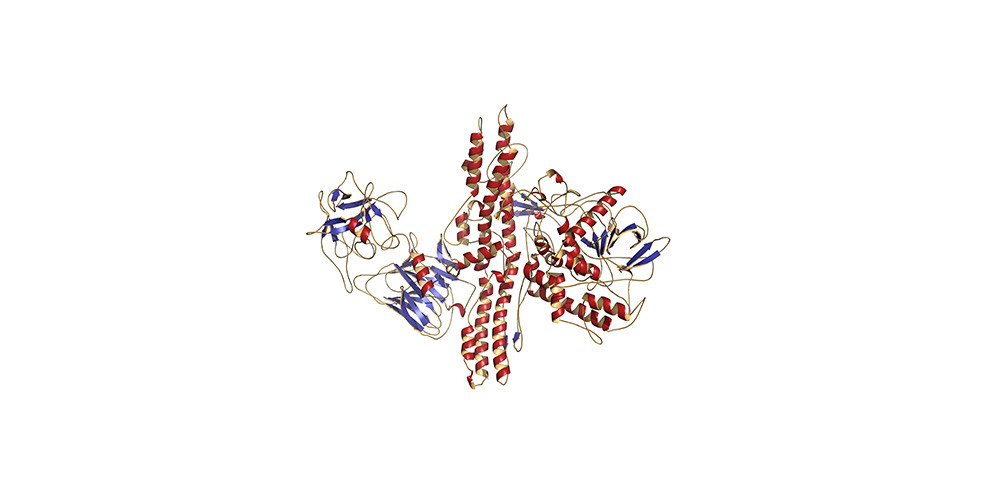
Researchers from The University of Queensland have determined how Botox – a drug made from a deadly biological substance – enters brain cells.
Professor Frederic Meunier and Dr Merja Joensuu at UQ’s Queensland Brain Institute have discovered the specific molecular mechanism by which the highly deadly Botulinum neurotoxin type-A, more widely known as Botox, enters neurons.
“We used super-resolution microscopy to show that a receptor called Synaptotagmin 1 binds to two other previously known clostridial neurotoxin receptors to form a tiny complex that sits on the plasma membrane of neurons,” Professor Meunier said.
“The toxin hijacks this complex and enters the synaptic vesicles which store neurotransmitters critical to communication between neurons.
“Botox then interrupts the communication between nerves and muscle cells, causing paralysis.”
The discovery means new therapeutic targets can be identified to develop effective treatments for botulism – a rare but potentially fatal bacterial infection.
“Now we know how this complex allows the toxin internalization, we can block interactions between any two of the three receptors to stop the deadly toxins from getting into neurons,” Professor Meunier said.
Read more at University of Queensland >>
Access the Study in The EMBO Journal >>
